Why Measurable SEO Results Matter More Than Rankings Alone
For years, the SEO industry has been obsessed with rankings. A number one spot on a generic keyword felt like a trophy, and many businesses celebrated it as a win. But the truth is, a ranking without context is almost useless. What matters is whether that ranking brings in traffic that converts, generates revenue, or builds brand authority. That is where measurable SEO results come into play.
I have seen too many clients come in with a list of keywords they rank for, but no idea how many of those visitors actually took action. One e-commerce store I worked with was ranking in the top five for over fifty product terms, yet their conversion rate was below one percent. The traffic was there, but the intent was mismatched. We had to rethink their entire approach, moving from volume-based targets to metrics that actually reflected business growth. That shift changed everything.
What Makes SEO Results Measurable?
Measurable SEO results go beyond tracking keyword positions. They tie directly to business outcomes. This means looking at organic traffic, conversion rate, ROI, and how search intent aligns with what you offer. If you rank for a query but the searcher wants a tutorial and you are selling a product, that click will bounce. The ranking is irrelevant. The real measure is whether the visitor completes a goal, whether that is a purchase, a sign-up, or a download.
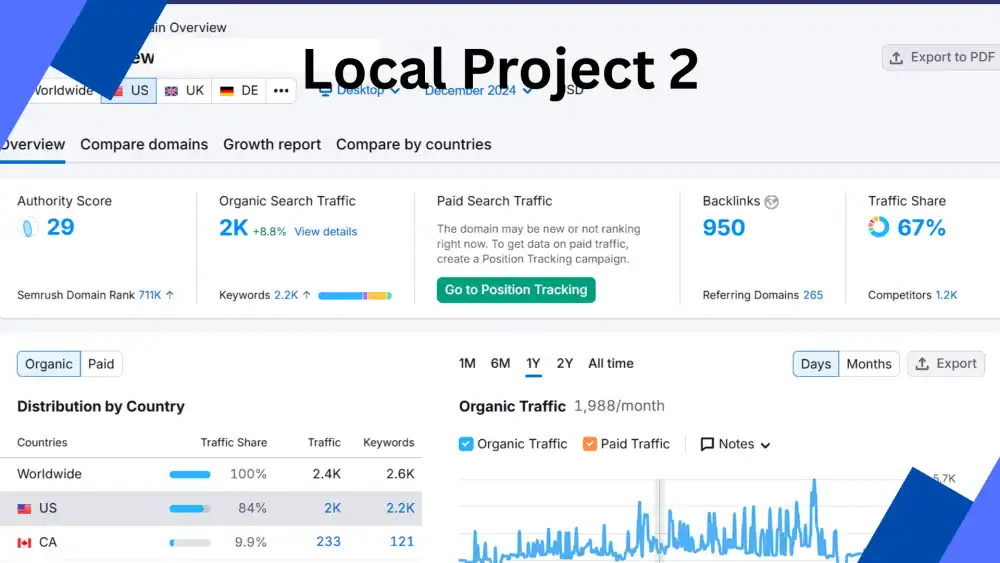
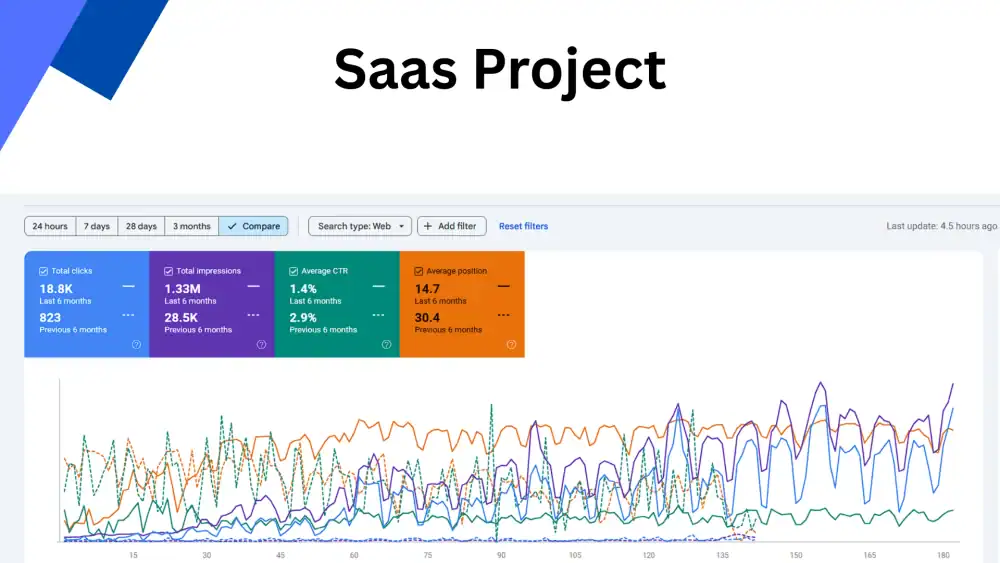
Tools like Google Analytics and Google Search Console are essential here. They show you not just how many people land on your site, but what they do once they arrive. You can see which pages drive the most conversions, which keywords lead to sales, and where your drop-off points are. Pair that with Ahrefs or Semrush for competitive analysis, and you start to understand the full picture.
One mistake I often see is people treating SEO as a one-time setup. They fix a few on-page issues, submit a sitemap, and then wait. But SEO is a continuous process of measurement and adjustment. Without a system for tracking what works, you are guessing. And guessing is expensive.

The Role of Technical SEO in Measurable Outcomes
Technical SEO audits form the backbone of any campaign that aims for measurable SEO results. Without a technically sound site, even the best content will struggle. I have run audits using Screaming Frog that uncovered thousands of broken links, duplicate meta tags, and orphan pages that Google could not crawl. Fixing those issues directly improved crawl efficiency and indexation, which in turn boosted organic traffic.
Core Web Vitals and PageSpeed Insights are not just checkboxes for Google. They affect user experience. A site that loads in two seconds versus five seconds can see a significant difference in bounce rate. I worked with a local business that had a slow booking page. After optimizing images, enabling compression, and cleaning up JavaScript, their page load time dropped by three seconds. Their conversion rate from organic traffic went up by nearly fifteen percent. That is a measurable result that matters.
Structured data and schema markup also play a bigger role than many realize. Adding product schema to an e-commerce site can help Google display rich snippets with pricing and availability. That extra information can improve click-through rates. I have seen cases where adding FAQ schema to a service page led to a featured snippet, which then drove a thirty percent increase in organic visits. That is not a guess. That is data you can see in Search Console.
Local SEO and the Importance of Verified Listings
For businesses that serve a specific area, local SEO is often the fastest path to measurable SEO results. A well-optimized Google Business Profile can be the difference between a phone call and a lost lead. I once consulted for a dental clinic in Mumbai that had a profile with inconsistent hours and no photos. After updating the profile, adding posts, and collecting reviews, their calls from organic search doubled within two months.
Tools like Moz Local can help manage citations across directories, but the real measure is in the foot traffic and appointment bookings. If you cannot track how many people came to your store or called your office because of an organic listing, you are flying blind. Setting up call tracking and using unique phone numbers for different sources gives you that data.
AI-Driven Content Optimization and Search Intent
Content remains a huge driver of organic growth, but only if it matches search intent. I have seen pages with excellent writing that fail because the writer did not ask what the searcher actually wanted. AI-driven content optimization tools can help analyze top-ranking pages and suggest topic clusters, but the human judgment is still irreplaceable. You have to decide whether the user wants a comparison, a tutorial, or a buying guide.
Keyword research using Semrush or Ahrefs gives you volume and difficulty scores, but it does not tell you intent. That requires reading the search results and understanding the context. For example, someone searching "best running shoes for flat feet" is likely in research mode, not ready to buy immediately. A page that offers a detailed comparison with pros and cons will perform better than a product page with a "buy now" button. Measuring performance means tracking whether that page leads to newsletter sign-ups or affiliate clicks, not just traffic.
E-commerce SEO and Conversion Tracking
E-commerce SEO is a different beast. The volume of product pages, the complexity of faceted navigation, and the need for structured data make it challenging. But the payoff can be huge. I worked with an online electronics store that had thousands of product pages but many were not indexed. After a technical SEO audit using Screaming Frog and implementing proper canonical tags, we got most pages indexed. Then we added review schema and product structured data.
The result was a steady increase in organic traffic, but more importantly, the conversion rate improved because the rich snippets gave users confidence. We tracked everything through Google Analytics with enhanced e-commerce tracking. Within six months, the ROI from SEO was clear. That kind of measurable SEO results builds trust with stakeholders and justifies further investment.
Common Pitfalls in Measuring SEO
One of the biggest pitfalls is focusing on vanity metrics. Page views and sessions are nice, but they do not pay the bills. I have seen businesses celebrate a spike in traffic from a blog post that went viral, only to realize that none of those visitors were potential customers. The traffic was not aligned with the business goals. The lesson is to define what a conversion means for your specific site before you start measuring.
Another issue is not accounting for seasonality. A retail site might see a natural surge in Q4, and attributing that entirely to SEO is misleading. Using year-over-year comparisons and segmenting by channel in Google Analytics helps separate real growth from seasonal noise.
Finally, many people set unrealistic timelines. SEO is a long-term channel. Expecting measurable SEO results in two weeks is setting yourself up for disappointment. It takes time to crawl, index, rank, and earn clicks. The key is to set milestones at three, six, and twelve months, and adjust tactics based on what the data shows.
Building a Measurement Framework
To get reliable measurable SEO results, you need a framework. Start with your business goals. Is it revenue? Leads? Brand awareness? Then map those to SEO metrics. Revenue maps to organic conversion rate and average order value. Leads map to form submissions or phone calls. Brand awareness maps to branded search volume and share of voice.
Use Google Search Console to track impressions and clicks for your target terms. Use Google Analytics to track on-site behavior. Use Ahrefs or Semrush to track backlinks and keyword movement. The combination gives you a complete view.
One framework I like is the last-click attribution model with a view-through window. It is not perfect, but it gives a conservative estimate of SEO's contribution. Over time, you can refine it with assisted conversions or multi-touch attribution if your analytics setup allows.
Final Thoughts
SEO is not a guessing game. It is a discipline that rewards those who measure, test, and iterate. The days of chasing rankings for the sake of rankings are over. Businesses need to see a return on their investment, and the only way to prove that is through data. Whether you are running technical SEO audits, optimizing a Google Business Profile, or building content around search intent, the goal should always be to drive measurable SEO results that connect to real business outcomes.
If you are not tracking the right metrics, you are not doing SEO. You are just hoping. And hope is not a strategy.